
Published June 11, 2024
Home Inspections, what needs to be looked at?

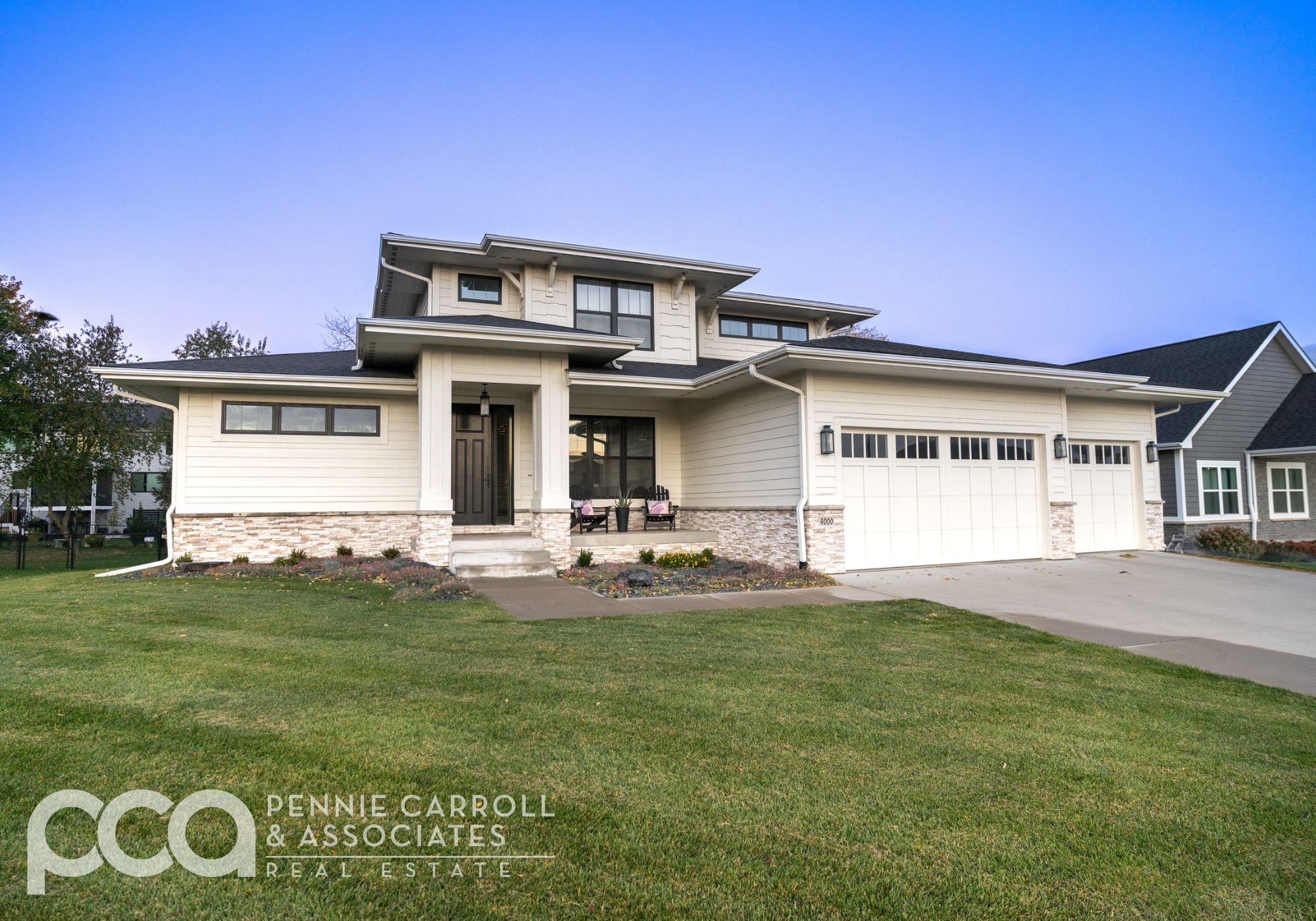
Have you ever been confused about all the different types of inspections and whether you need it or not?
You have come to the right place! Right here in this blog, we will talk about all the different kinds of inspections. There are inspections for your chimney, foundation, roof, soil, termites, and harmful building materials. Each of these inspections is different in its own way, but they all will tell you whether you should address the issue or not. There are different times you can get an inspection that is before you list, during the closing process, or if you are just curious about the conditions of your home. Most of the time older homes will require more inspections while newer homes might not need to be inspected, but you always should inspect a property no matter what year it was built. Let's dive into the different types of inspections and what they entail.
Pre-Listing Inspections
The Pre-listing Inspection is exactly like it sounds! It's an inspection that you do before you list your home for sale, isn't that crazy!?!? This inspection will cover all sorts of things depending on what kind of inspection you paid for. People do a pre-listing inspection so they can gather an understanding of the current condition of their home and whether they will need to update or fix some things to get the maximum value out of their home. Sometimes it can be an easy fix like repairing some minor drywall damage or it can be a major issue like your foundation settling. When it comes to listing your home I always recommend the pre-listing inspection process to find out issues that may scare away potential buyers.
General Home Inspection
Let's continue with the general home inspection. A home inspection covers things like the structural aspect, heating systems, cooling systems, plumbing, and electrical work. The inspector will look into each of these systems and make sure they are functioning properly and running to the best of their ability. They will make sure that the electrical work is up to date and won't cause any house fires cause we wouldn't want that! They will make sure that the plumbing is also up to date and in working order so your sink and toilets will be able to drain properly. Most newer homes in the Real Estate transaction will only do a general home inspection because they haven't had the time to sit out and endure nature like some of the homes built in the 1900s. Sometimes the homes that were built a while ago will need a structural engineer to come out and make sure it won't blow over in the next derecho!
Termite Inspection
Where do bugs get off the train? At the InfeStation! Oh common you didn't laugh, you just need a comedy reset! Getting back on “track,” termites are no joke and can cause major damage to your home. They can slowly eat away at the major structural components of your home and cause damage to the support system. That damage could lead to your house being unsafe and at risk of further damage. Termites love wood, but they are also attracted to food so if you have termites you will likely find them in your cabinets, wallpapers, floors, stairs, and books. When your house is infested with termites it will make your home almost impossible to sell and may leave you stuck with a termite honey hole. So on that note make sure to keep an eye out for the signs of termites, which are pinholes in drywall, hollow wood, peeling pants, and discoloration.
Sewer Inspection
Now this inspection may be a little stinky and not fun but it's always smart to cover all your bases when buying a home. This inspection is also called a sewer scope, which is when they run a small camera down into your sewer lines to check for the condition of the lines. Sometimes these lines will have roots growing into them which causes the draining to be very slow or even nonexistent. Another issue with your sewer line could be Orangeburg which is when pipes during the war were made of paper mache material start to cave in on themselves because of the weight and time they have been below the ground. Fun fact they used paper mache material during the 1960s cause most of the metal was being used for the war. Both of those issues will cause you to replace the line which could be costly.
Chimney Inspections
Chimney inspections are only necessary if they have a fireplace in the home. This inspection will look at the soundness of the chimney structure and the flue which is the open vertical space designed to let smoke out while keeping the elements out. They will also check and make sure the chimney is clear and free of obstructions and combustible materials that could cause a house fire. If the home you are looking at has a chimney it's always a good idea to have a professional chimney inspection done to make sure you are free and clear of any issues that it may cause
Radon Inspection
Radon is a naturally occurring gas that is present in the Midwest area. This gas is a colorless, odorless, and radioactive gas that can cause damage to lung tissue and cause lung cancer. It is caused by the decay of uranium that is found in nearly all soils but is more prevalent in the Midwest area. A radon inspection is recommended if the house doesn't have a radon gauge to test the levels. The inspector will bring their testing equipment that will be left in the basement of the home for a few days to test the radon levels in the air. If the radon levels are high they might install a mitigation system to vent out the toxic radon outside of the house.
Lead-Based Paint Inspection
Lead-based paint was used before 1978 as the standard for paint. This was before they found out that consuming lead-based paint can cause behavioral problems, learning disabilities, seizures, and in some cases death. The inspection is done when they take a sample of the wall paint and see if it contains lead-based paint. There are a few ways to deal with lead paint if it is found in the home. One way is to cover the paint with a durable non-toxic paint that will trap the dangerous lead-based paint in the wall. The other way is to remove the paint and ventilate the area, then repaint.
To sum up there are tons of different inspections for different parts of each section of your home. Some are more important than others and older homes will generally need more inspection than newer-built homes. There are different times you can do inspections like if you want to list or are in the costing process of buying a home or if you're just a curious homeowner. When in doubt get it inspected so you know what you’re dealing with!

PCA Team
| Pennie Carroll | Pennie Carroll and Associates
or another way